Semi-Formal Attire for Men: What It Means and What to Wear

Few dress codes send more men spiraling than “semi-formal” — it sounds like it should be obvious, and the invitation still gives you nothing to work with. The confusion is fair: the term has drifted over the decades, and half the advice online quietly conflates it with cocktail or black tie. Here’s the version that actually holds up — where semi-formal sits, how to build the outfit, and how to tell it apart from the codes it gets mistaken for.
This post may have affiliate links, meaning we earn a small commission on purchases through the links (at no extra cost to you). This does not change our opinion but does help support the site. Thank you!
What Is Semi-Formal Attire for Men?
Semi-formal attire for men is a dress code that sits between business casual and formal (black tie): a tailored dark suit — or a sharp blazer-and-trousers combination — worn with a crisp dress shirt, polished leather shoes, and an optional tie. In short, it asks for a suit, not a tuxedo, and leaves room for personality in fabric, color, and the small stuff.
If you want the full map of where this falls relative to every other code — from smart casual up through white tie — start with our men’s dress codes explained pillar and use this page for the semi-formal deep dive.
How Semi-Formal Has Evolved
Traditionally, semi-formal meant one thing after dark: a dark suit, a white dress shirt, a conservative tie, and leather shoes — the “dark suit” code, more or less unchanged for decades. It was the answer to an invitation that wasn’t quite black tie but wasn’t the office either.
More recently, however, the rules have loosened at the edges. You can mix a suit’s jacket and trousers into separates, reach for tropical-weight wool or a linen blend in summer, and skip the tie entirely if the rest of the outfit carries the formality. What hasn’t changed is the baseline: tailored, intentional, and clearly a notch above business casual.
Building Your Semi-Formal Wardrobe
Suits
A slim or modern cut in a dark, solid color does the most work here. Reach for navy, charcoal, or mid-gray as your core; lighter shades read better for daytime events. Lightweight wool is the year-round default, with cotton blends and linen earning their place in the warmer months — the fabric shift is what keeps a summer look from feeling like a business meeting that wandered outdoors.
Shirts
Keep it crisp and tailored. White and light blue are the reliable anchors, and a soft pastel or a subtle pattern is fine when you want a little personality. Steer clear of anything with a casual weave — flannel and jersey undercut the whole effort no matter how good the jacket is.
Footwear
Oxfords, Derbies, and loafers all belong, in leather or suede. A minimalist leather sneaker can pass in a creative or modern room, but that’s the ceiling — sporty or scuffed shoes are the fastest way to look underdressed. Brown shoes are more than welcome; if you’re pairing them with a navy suit, our guide on how to wear a blue suit with brown shoes covers the tones that work.
Accessories
This is where semi-formal gives you room to play — a pocket square, a tie, a discreet pair of cufflinks, a sleek watch. Match your belt to your shoes and keep the count low: one or two considered pieces read sharp, a full arsenal reads try-hard. Grooming counts as an accessory too; a clean cut and the right finishing-touches fragrance do as much as the pocket square.
Jeans and Ties: When to Bend the Rules
Jeans are, as a rule, too casual for semi-formal — but the rule bends. Dark, clean, well-fitted denim without a hint of distressing can pass in a genuinely creative setting; anywhere else, tailored trousers are the safer call.
Ties are optional, and skipping one is a legitimate move rather than a shortcut. If you go tieless, let a structured blazer, a crisp shirt, polished shoes, and a subtle accessory or two carry the formality the tie would have.
Semi-Formal Outfit Ideas: Looks by Time and Weather
Because semi-formal covers a lot of ground, it helps to think in a few repeatable templates rather than a single “correct” outfit.
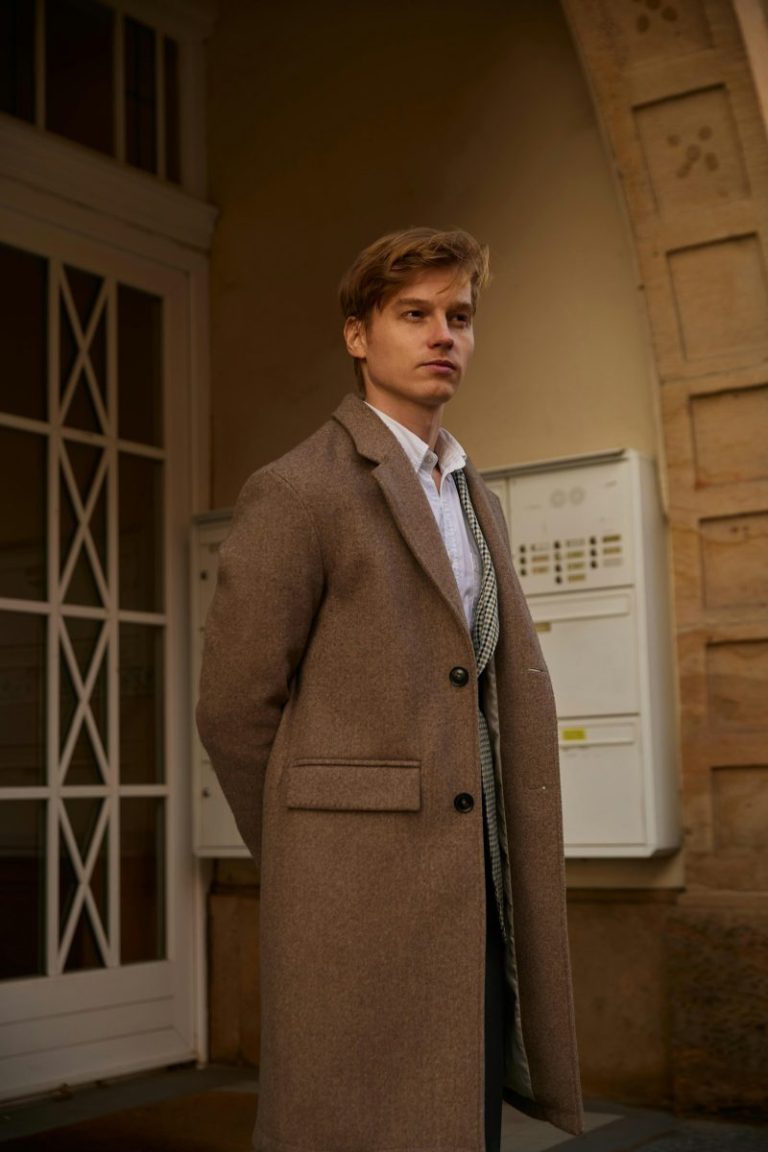
- Daytime, cool weather: A charcoal or mid-gray suit, white shirt, knit or textured tie, and dark Oxfords — the safest, most versatile read in the entire code.
- Evening, cool weather: A navy suit, crisp white shirt, pocket square, and polished black or dark-brown leather shoes. Deeper tones and a little sheen suit the after-dark setting.
- Daytime, warm weather: A blazer-and-trousers mix in tropical wool or a linen blend, pale blue shirt, no tie, and loafers or suede Derbies — dressy without cooking you.
- Evening, warm weather: A lighter suit or a mixed separates look with richer accessories — a patterned pocket square, a statement sock — to lift it toward the occasion.
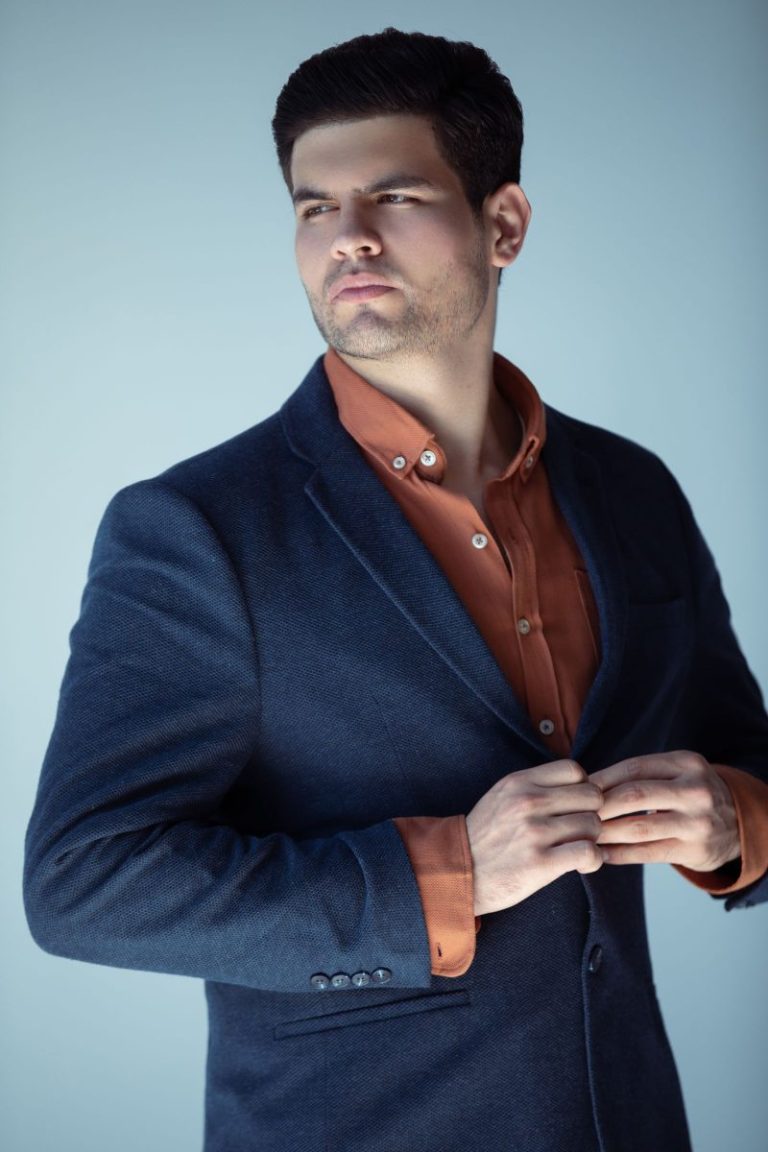
Two building-block combinations sit under all of these: the classic suit look (tailored navy or charcoal suit, crisp shirt, tie, pocket square) and the blazer-and-trousers mix (a neutral or patterned blazer over complementary trousers, a simple shirt, and either a tie or a pocket square).
Semi-Formal by Occasion and Season
Occasion and weather push the same outfit in slightly different directions, so it’s worth reading them together.
- Weddings: Classic suits in navy, charcoal, or beige, finished with a tie or pocket square. In spring and summer, lean into linen and cotton in paler tones; in fall and winter, warmer or darker wool.
- Cocktail parties: This is where semi-formal earns some texture — a blazer with patterned trousers or sharp chinos, plus a statement sock or bold pocket square. (More on the overlap below — cocktail is close, but not identical.)
- Business events: Professional colors, minimal accessories, and Loafers or Derbies. Keep it clean and structured.
- Dressy-casual gatherings: A blazer with chinos or dark tailored jeans, a tucked shirt, and polished shoes.
On the seasonal side, the through-line is fabric and palette: spring wants linen or cotton in pale blues, beiges, and soft pastels; summer goes lightweight and breathable, with the optional sockless loafer; fall shifts to burgundy, olive, and brown in wool or tweed; winter calls for heavier wool or flannel in dark shades, with a vest, coat, or polished leather boots to match the weather.
Semi-Formal vs. Formal
Formal — read: black tie — means a tuxedo, a black bow tie, patent leather shoes, and strict color rules that leave little room to improvise. Semi-formal steps back from all of that: a tailored suit or blazer, a dress shirt, polished shoes, and an optional tie, with real latitude for color and personality. If the invitation lands in the fuzzy space between the two, our black tie optional guide untangles which way to lean.
Semi-Formal vs. Cocktail
These two get confused constantly, and for good reason — they overlap. The simplest distinction: semi-formal leans a touch more conservative and suit-forward, while cocktail invites more texture, color, and expressive accessories, and is almost always an evening affair. A dark suit clears both; the difference is mostly in how much personality you dial up. For the full breakdown, see our guide to cocktail attire for men.
Semi-Formal vs. Business Casual
Business casual is the softer, more forgiving code: chinos or dress pants, a button-down or polo, an optional blazer, and usually no tie. Semi-formal is sharper and more structured — a suit or blazer with tailored trousers, dress shoes, and a tie or pocket square. If business casual is “put-together,” semi-formal is “clearly dressed up.”
Dos and Don’ts
Do:
– Prioritize fit and tailoring above everything else — it’s the difference maker.
– Coordinate your accessories and match belt to shoes.
– Dress for the season with fabric and palette.
– Add subtle personality with one or two considered pieces.
– Keep clothes pressed and grooming sharp.
Don’t:
– Default to casual or scuffed shoes.
– Skip the iron.
– Over-accessorize or pile on loud, clashing patterns and neon.
– Underdress and hope the room agrees with you.
FAQs
What counts as semi-formal for men?
A tailored suit or blazer, dress trousers, a collared shirt, and polished shoes. Ties are optional; the jacket is not.
Can I wear jeans to a semi-formal event?
Not usually. Dark, clean, well-fitted jeans can work at genuinely creative events, but tailored trousers are always the safer bet.
Can sneakers be semi-formal?
Only minimalist leather sneakers, and only in creative or modern contexts, worn with a blazer and tailored pants.
Do I need a jacket?
Yes. A structured blazer or suit jacket is what defines semi-formal — it’s the non-negotiable.
Can I skip the tie?
Yes, as long as a crisp shirt, a blazer, and polished shoes keep the outfit balanced and intentional.
The Takeaway
If you remember one thing, make it this: a well-fitted dark suit with an optional tie — and never a tuxedo — clears the overwhelming majority of semi-formal invitations. Get the fit right, match your shoes to the occasion, and let one or two accessories do the talking. From here, work up to the full men’s dress codes explained pillar for the big picture, or slide over to cocktail attire for men — the code semi-formal is most often mistaken for.

Born and raised in Austin, David is a dedicated writer and avid fragrance lover. When he's not trying out perfumes, he enjoys traveling and exploring new restaurants.