Minimalist Style for Men: Dressing Well With Less

Open your closet, stare at a full rail, and land on the same handful of things you always reach for — most men have lived that contradiction, owning plenty and wearing almost none of it. Minimalist style is the deliberate fix: fewer pieces, cleaner lines, and a wardrobe where everything earns its hanger. It’s not about deprivation or looking like you gave up — done right, it’s one of the most quietly confident ways a man can dress, and it sits at the calm center of the whole men’s style aesthetics guide.
This post may have affiliate links, meaning we earn a small commission on purchases through the links (at no extra cost to you). This does not change our opinion but does help support the site. Thank you!
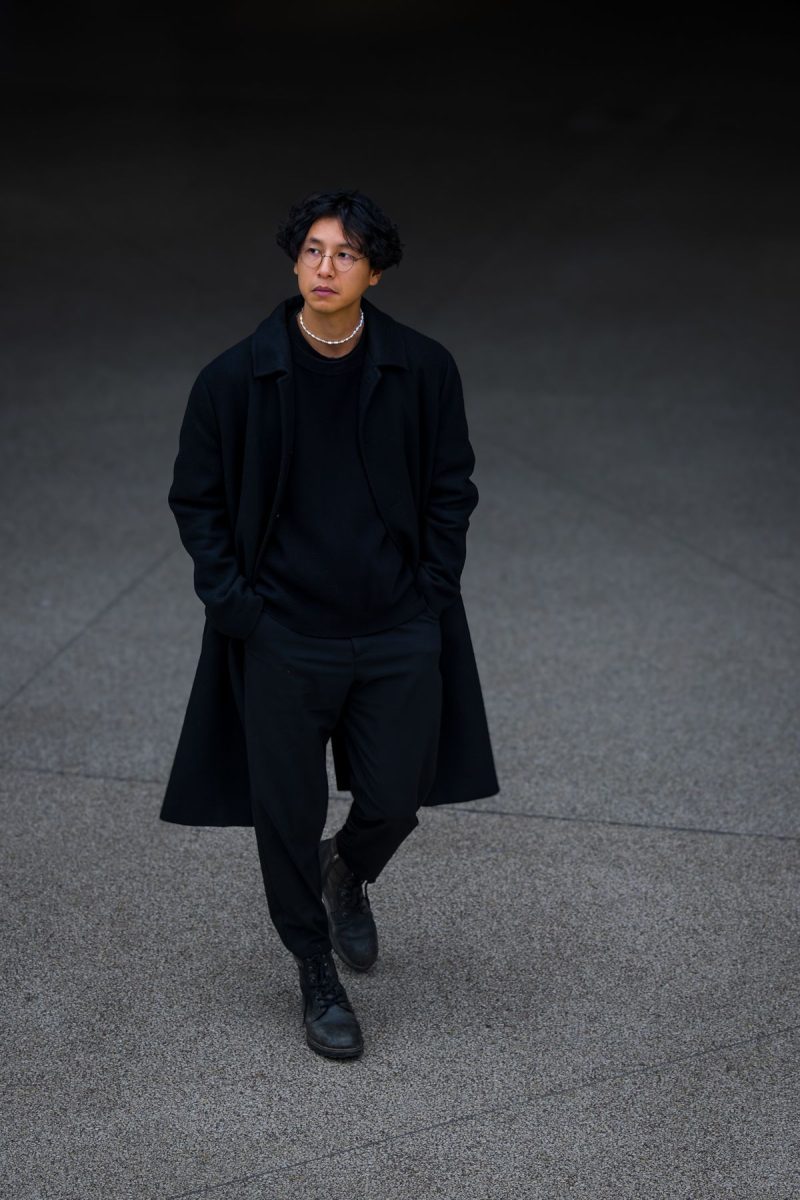
What Is Minimalist Style for Men?
Minimalist style is an aesthetic built on reduction — stripping an outfit down to clean silhouettes, a disciplined palette, and pieces with nothing extra to say. The governing idea is that subtraction is a design choice, not an absence of one. You’re not wearing less because you ran out of ideas; you’re wearing less because you decided every remaining element should count.
Here’s the part people miss: minimal does not mean boring. A flat, lifeless outfit is a failure of minimalism, not the goal of it. When the look works, the interest comes from proportion, fabric, and fit rather than print, hardware, or logos — the details you notice on second glance instead of first. Think a perfectly cut crewneck over tapered trousers and clean white sneakers, nothing shouting, everything intentional. The whole thing reads as considered precisely because there’s nowhere for a mistake to hide.
Put simply, minimalism is a logic, not a color. You can dress minimalist in navy, in olive, in a warm sand tone — what makes it minimalist is the editing instinct behind it, the refusal to add a piece that isn’t pulling weight.
Where the Minimalist Look Came From
Minimalism didn’t start in menswear — it arrived by way of design, and it’s been circling back ever since.
The DNA traces to mid-century modernism and the old Bauhaus creed that form should follow function, with ornament treated as noise. That philosophy jumped from architecture and product design into fashion in the 1990s, when designers pared tailoring back to its bones and a generation of men discovered you could look sharp in a plain black tee and clean trousers. The tech-founder uniform that followed — same outfit, every day, decision made once — pushed the idea further into the mainstream.
More recently, however, the swing has been a reaction against noise. After years of hype drops, logo-mania, and closets bursting with impulse buys, a lot of men got tired of dressing like a billboard and started asking a simpler question: what would I actually wear if I owned less? Minimalism answered it. Call it fatigue with clutter, digital and physical alike — the appetite for a wardrobe that thinks clearly hasn’t cooled the way most micro-trends do.
Minimalism vs. Quiet Luxury vs. Capsule Wardrobes
This is where most write-ups get lazy and treat the three as one thing. They overlap in the middle — muted, uncluttered, no loud logos — which is exactly why men conflate them. But they answer different questions, and sorting them by their governing rule is how you actually dress the part.
Minimalism is the aesthetic — the look and the logic behind it. It’s a set of visual principles: reduction, clean silhouettes, disciplined color, interest carried by fit and texture instead of ornament. It tells you what an outfit should look like, not what it costs or how many pieces you own.
A capsule wardrobe is the method — the how, not the look. A capsule is a small, interchangeable set of garments engineered to mix into a lot of outfits from a little inventory. It’s a system for building a wardrobe, and you can run that system in service of almost any aesthetic — a streetwear capsule and a minimalist capsule are both capsules. Minimalism and capsules travel well together, but one is a philosophy of appearance and the other is a philosophy of logistics. If the method is what you’re after, our guide to building a summer capsule wardrobe is the practical companion here.
Quiet luxury is about materials — the flex is the fabric. Where minimalism will happily wear an unremarkable cloth as long as the silhouette is clean, quiet luxury won’t; the cashmere, the high-twist wool, the full-grain leather is the entire statement. The two look like cousins from across the street, but a minimalist optimizes for line and restraint while a quiet-luxury dresser optimizes for hand and weight. Worth reading our quiet luxury guide side by side with this one — they rhyme, but the priorities differ.
Sort them by their governing rule and it clicks: aesthetic (minimalism), method (capsule), material (quiet luxury). You can, of course, run all three at once — a small capsule of minimalist outfits in genuinely good fabric — which is roughly the endgame most men are circling toward anyway.
The Principles of Minimalist Style
Get these four right and the look assembles itself. Get them wrong and minimalism curdles into the thing its critics accuse it of being — flat, cheap-looking, a bit sad.
A Neutral Palette, Done Right
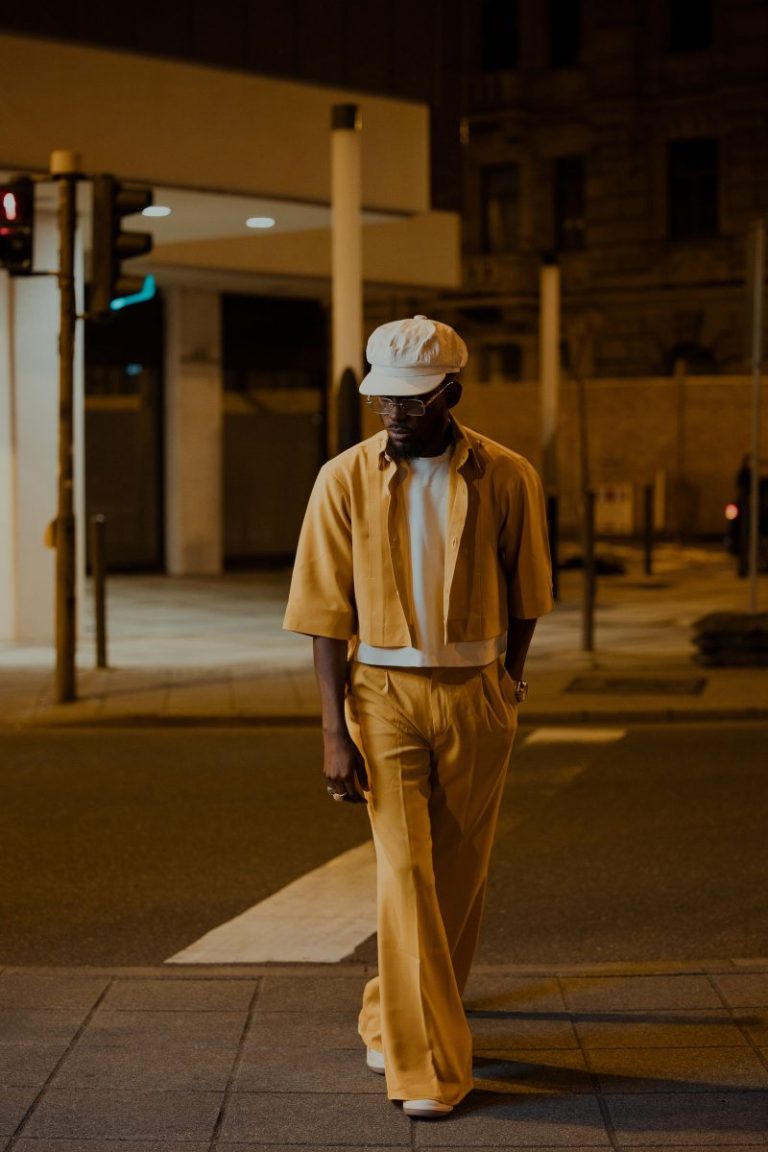
Neutrals are the backbone — navy, charcoal, grey, cream, sand, olive, deep brown, black, white — but the trick isn’t just picking quiet colors. It’s making them work together. Layer shades within a family so the outfit reads as one considered thought, and lean on tonal pairings rather than hard contrast. A cream knit over stone trousers is minimalism; a random grab-bag of neutrals that don’t relate is just laundry. If your color eye needs sharpening, start with our guide to styling neutral colors — it’s the single fastest upgrade to a pared-back wardrobe.
Let the Silhouette Do the Talking
With print and hardware off the table, shape becomes your loudest tool. Minimalism lives and dies on proportion — a clean shoulder line, a trouser that tapers where it should, a jacket that skims rather than tents. Decide on your proportions deliberately: relaxed-and-boxy on top reads intentional over something slimmer below, and matched extremes (baggy on baggy, or tight on tight) rarely land. When the outfit has nothing to hide behind, the line is the outfit.
One Texture Per Outfit — Then Break It on Purpose
Flatness is minimalism’s number-one failure mode, and texture is the cure. The move is to introduce one clear textural note per outfit so a monochrome look has somewhere for the eye to rest — a chunky knit against smooth trousers, a slubby linen shirt, a suede shoe next to crisp cotton. You’re not stacking five materials; you’re picking one and letting it interrupt the smoothness (read: not going full head-to-toe flat cotton and wondering why it looks like a uniform). One deliberate texture does more work here than any print ever could.
Fit Tolerance Near Zero
Here’s the honest catch — when there’s no busy pattern and no logo drawing the eye, there’s nothing to distract from a bad fit either. In a maximalist outfit a slightly-off sleeve length disappears into the noise; in a minimalist one it’s the first thing anyone clocks. So the fit standard climbs: sleeves ending at the wrist bone, a trouser break that just kisses the shoe, shoulders that sit where your shoulders actually are. Build a relationship with a tailor. Getting even mid-priced pieces cut to your frame is the cheapest way to make this whole look expensive, and with minimalism it isn’t optional — it’s load-bearing.

The Core Minimalist Kit
You don’t need much — that’s the entire point — but the pieces you do keep have to be quietly excellent. Think in categories, not shopping lists.
The Foundation Tees and Knits
The plain tee is the atom of a minimalist wardrobe, so it has to be a good one — dense cotton, a clean crew or a subtle boat neck, a hem that holds its shape after a wash. This is a piece worth getting genuinely right, which is why we’ve mapped out the best black T-shirts for men in their own guide. Alongside them, a small run of knits carries the cooler months; a well-chosen sweater is where minimalism gets its texture, so it’s worth knowing the types of sweaters for men before you commit — a merino crew, a chunky rollneck, a fine-gauge cardigan each do different work.
The Trousers and Denim
Two or three trouser options in your core neutrals cover most of a life — a tapered chino, a pleated wool trouser, and one pair of dark, clean denim with no distressing and no fuss. Fit and drape matter more than variety here. If a pair doesn’t hang right off the hip, it doesn’t make the cut.
The Outerwear
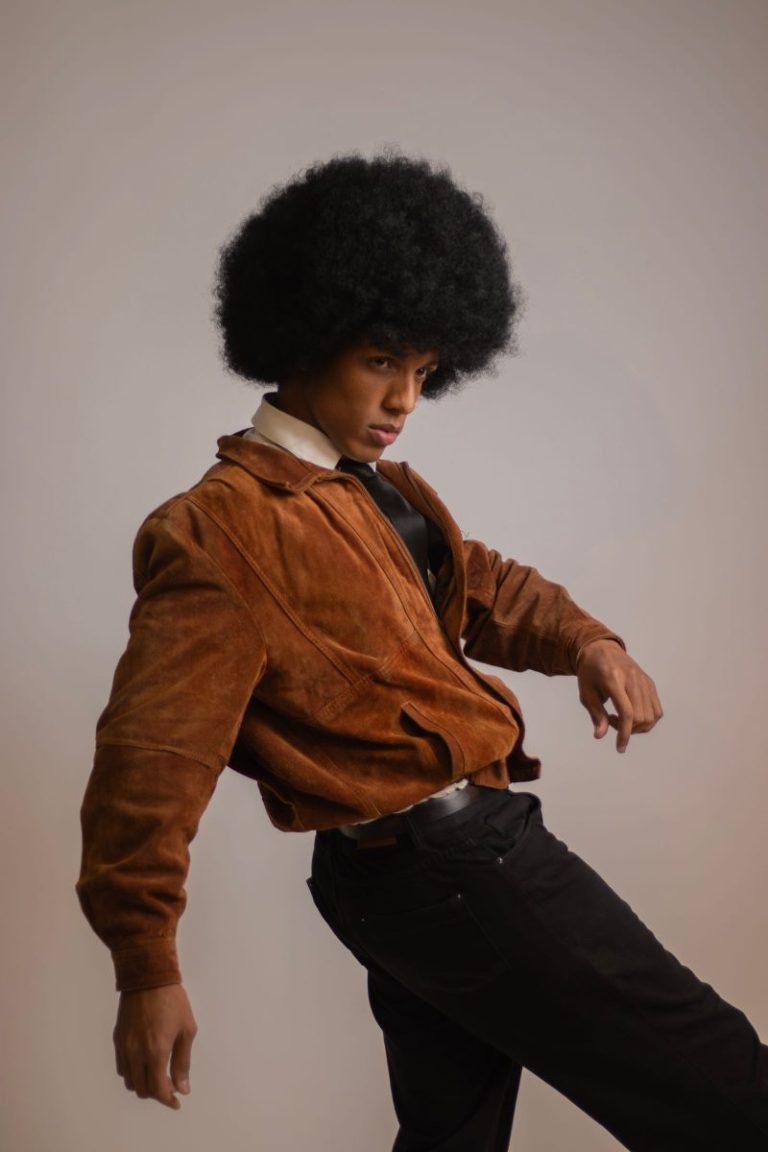
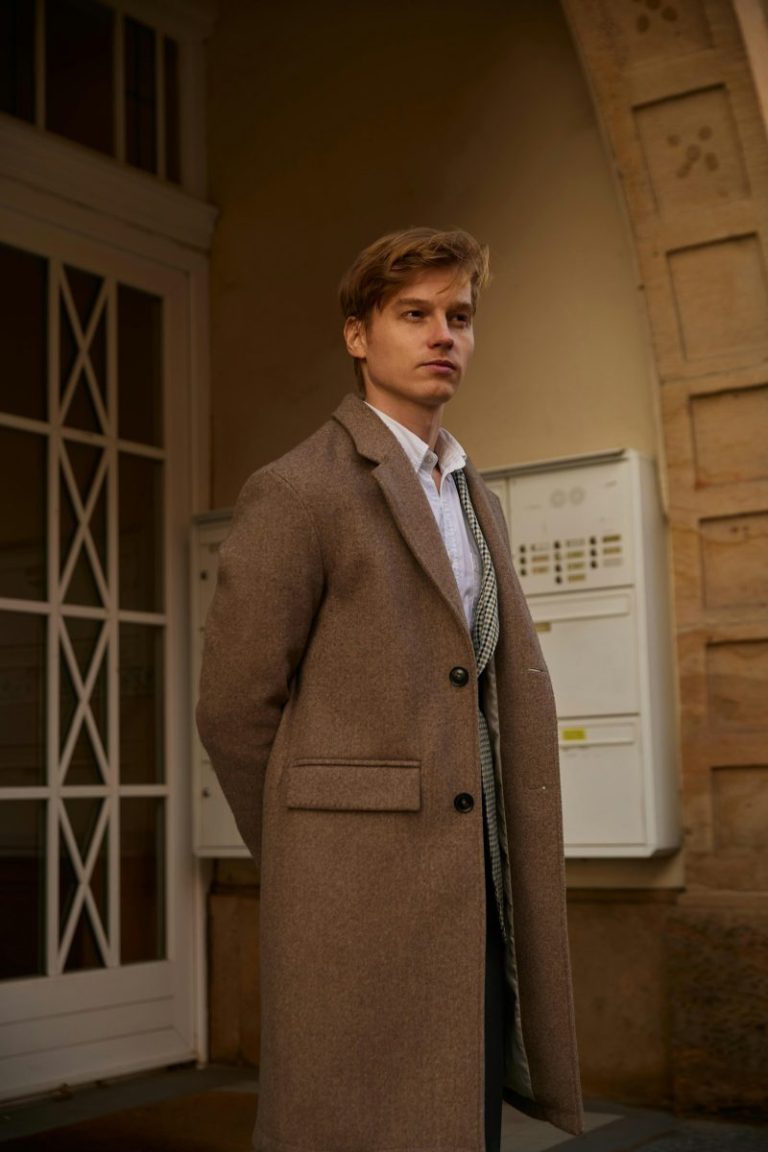
One or two clean overlayers do the heavy lifting: an unstructured overcoat in a solid neutral, a minimal bomber or a crisp overshirt for milder days. No busy hardware, no contrast trim, nothing that dates. This is the piece people see first, so it’s the one most worth spending on.
The Footwear
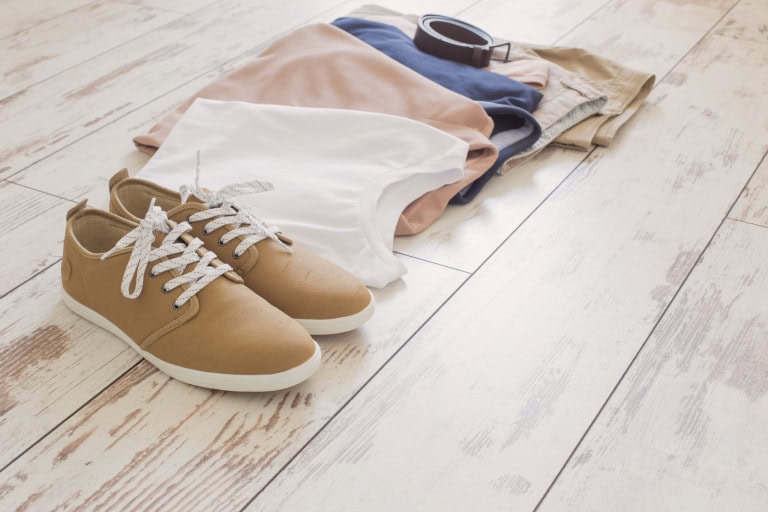
Shoes anchor the whole thing, and minimalism rewards clean lines over flash. A pair of low-profile leather sneakers is the workhorse — our roundup of white casual shoes for men is a good starting point — backed by one versatile leather boot or a simple derby for when the occasion lifts. Keep the soles slim and the branding invisible.
Common Failure Modes
Minimalism is easy to describe and easy to get wrong. Nearly every misfire falls into one of three traps.
All-black sadness. Black is minimalism’s default cheat code, and leaning on it head-to-toe is how the look tips from sleek into funereal. An all-black fit can be great, but as a permanent uniform it flattens you out and reads a bit joyless — call it the goth-accountant trap. Work in your other neutrals, vary the depth, and let a warmer tone or two back into rotation. Restraint isn’t the same as monochrome.
Flat outfits with no texture. The other side of the same coin: a look so smooth and matte it has no pulse. When every surface is the same flat cotton in the same flat tone, minimalism stops looking intentional and starts looking unfinished. Circle back to the one-texture rule — a single knit, suede, or slub is usually all it takes to bring the outfit back to life.
Mistaking cheap-and-plain for minimal. This is the big one. A blank, poorly-made tee in a sad polyester blend is not minimalism — it’s just a cheap plain shirt, and the eye knows the difference instantly. Minimalism is considered plainness: good cloth, sharp fit, deliberate proportion. Plainness without any of that intent is the thing minimalism gets accused of being. The gap between the two is entirely in the quality and the fit, which is exactly why those can’t be skimped.
How to Add Personality Inside the Constraint
The fear men have about minimalism is that it erases them — that a pared-back wardrobe means becoming anonymous. It doesn’t, and the constraint is actually where personal taste gets sharper, not fainter. You just express it in a quieter dialect.
Let one variable carry your signature. Maybe it’s a single accent color that recurs — a rust, a forest green, a washed indigo — threaded through an otherwise neutral rotation. Maybe it’s silhouette, and you commit to a relaxed, slightly artful proportion that’s unmistakably yours. Maybe it’s a material fixation: everything in linen and raw cotton, or everything with a bit of heft and drape.
Accessories do disproportionate work under these rules, precisely because there’s so little competing with them. A plain field watch, a slim leather belt that matches the shoe, a single ring, well-chosen frames — each one registers loudly against a quiet backdrop, so a couple of considered pieces go a long way. The same logic extends to how you smell: against a minimal wardrobe a signature scent becomes part of the outfit, so it’s worth choosing a fragrance as deliberately as the coat — start with fragrance archive. The through-line is discipline, not blandness. You’re not deleting personality; you’re giving it a clean stage to stand on.
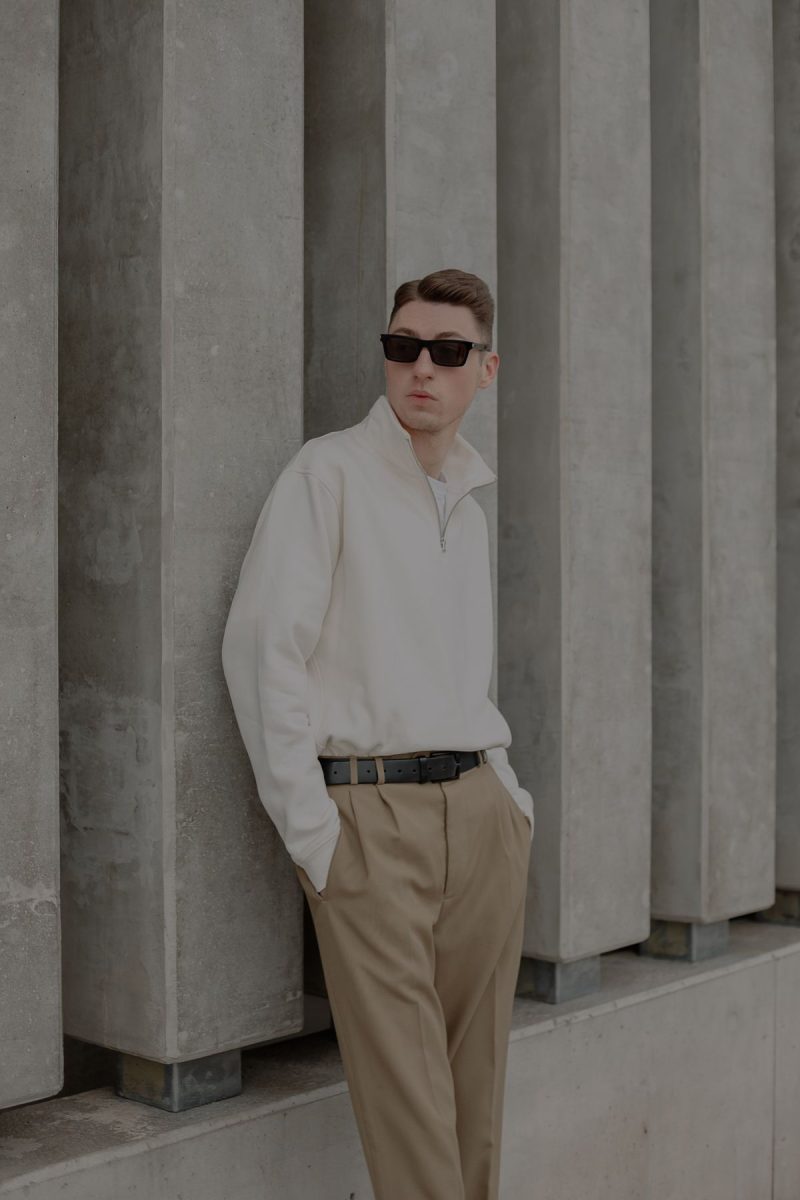
Is Minimalist Style Boring? (And Other Questions)
Is minimalist style boring?
Only when it’s done badly. Boring minimalism is a fit-and-texture problem — flat fabrics, off proportions, no tonal depth — not an inevitability of the aesthetic. Get the silhouette and the one-texture rule right and a “simple” outfit reads as deliberate and quietly striking rather than empty. Interesting is a function of execution here, not of how much stuff you pile on.
How many pieces should a minimalist wardrobe have?
There’s no magic number — the general consensus is that if everything you own mixes with everything else and you actually wear all of it, you’re there. Most men land somewhere between a tight capsule of a couple dozen core pieces and a slightly roomier rotation. The real test isn’t the count; it’s whether any single piece is dead weight.
Does minimalist style have to be expensive?
No. Because minimalism prizes fit and proportion over material flexing, it’s one of the more budget-friendly aesthetics — a well-cut $40 tee beats a badly-cut designer one every time. Spend where it shows (outerwear, shoes, the tailor) and keep the basics sensible. That’s a different bet than quiet luxury, which puts the money into the fabric itself.
What colors work best for minimalist style?
Neutrals that relate to each other — navy, grey, charcoal, cream, sand, olive, brown, black, white — layered tonally rather than in hard contrast. You can absolutely run an accent color; just let it be a recurring signature rather than a free-for-all. The discipline is in the pairing, not in avoiding color altogether.
The Takeaway
If you remember one thing, make it this: minimalism is a decision about editing, not about owning nothing or dressing in fog-grey. Nail the fit, keep the palette disciplined, and let one texture do the talking — that’s the entire game, and it’s more forgiving of your budget than almost any other look on the board. Start with the aesthetics pillar.

Born and raised in Austin, David is a dedicated writer and avid fragrance lover. When he's not trying out perfumes, he enjoys traveling and exploring new restaurants.