
Best Work Shoes for Men: Comfort Picks for Every Job
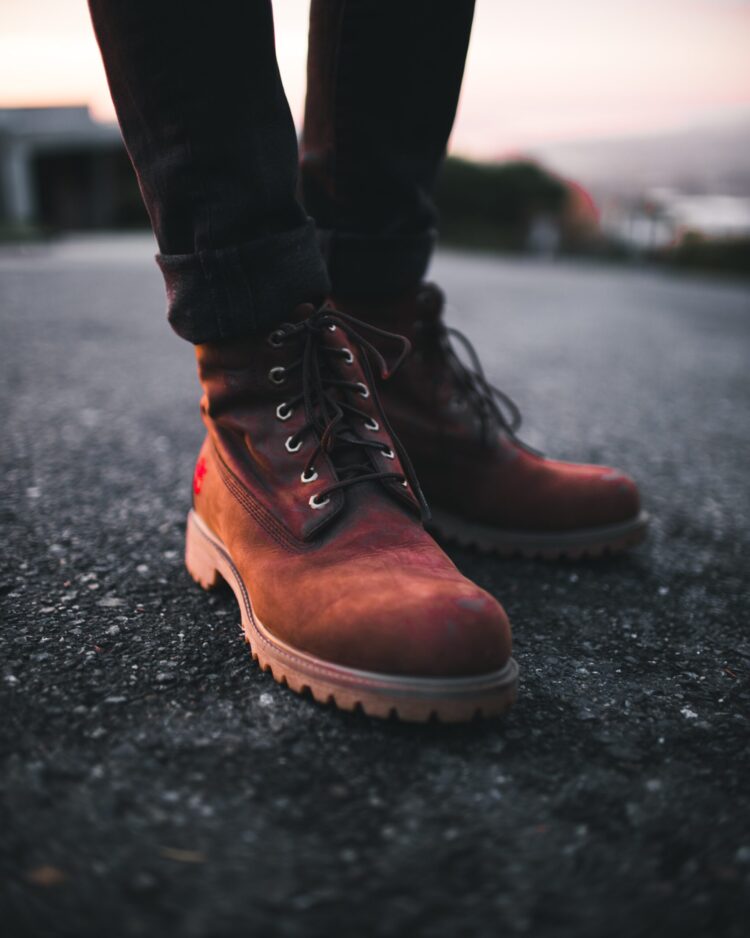
Anyone who’s clocked a ten-hour shift on a concrete floor knows the difference the wrong shoe makes — the ache that starts in your arches and works its way up by noon. Sneakers, lace-ups, and everyday sandals won’t cut it here, whether the issue is a safety standard, arch support, or traction on a slick surface. Below, we’ve organized our favorites by the kind of work you actually do, so you can match the shoe to the job instead of guessing.
This post may have affiliate links, meaning we earn a small commission on purchases through the links (at no extra cost to you). This does not change our opinion but does help support the site. Thank you!
If you’re dressing the rest of the shift too, our guides to formal office shoes for work and the best work pants round out the uniform.
What are Work Shoes?
Work shoes serve two jobs at once: they address the safety risks specific to your environment, and they keep you comfortable through features like anti-fatigue technology and orthopedic support. OSHA standards (29 CFR 1910.136) mandate protective footwear for high-risk occupations — anything involving hazardous materials, heavy objects, slippery surfaces, or electrical exposure.
ASTM International sets the guidelines for protective footwear, with standards F2413 and F2412 covering impact resistance, compression testing, electrical hazard protection, puncture resistance, and metatarsal protection. As a note: a toe cap alone doesn’t make a shoe comfortable — the footbed, cushioning, and outsole compound do most of the all-day work, which is why we weight those heavily below.
Tips for Finding the Most Comfortable Work Shoes
Comfort is where most people go wrong, so start here before you shop:
- Measure your feet properly, late in the day, accounting for the swelling that comes with hours on your feet.
- Bring your socks and any orthotic inserts when you try shoes on — a footbed that feels great empty can feel very different with a work sock and an aftermarket insole stacked in.
- Prioritize the cushioning and arch support, not just the toe cap. Look for a dual-density or memory-foam footbed, a genuine arch shank, and an outsole with a slip-resistance rating (ASTM F1677 or the newer F2913) if you work anywhere that gets wet or greasy.
- Watch the weight. A heavy boot multiplies fatigue over a long shift — composite and alloy toes shave ounces off steel without giving up much protection.
- Test them in-store before committing, and walk on a hard surface, not carpet.
The Best Work Boots
For jobsites, warehouses, and anywhere a falling object or a rolling load is a real risk, a proper safety boot earns its keep.
Caterpillar Second Shift Steel Toe Work Boot
Built on rugged full-grain leather with a steel toe rated for impact and compression resistance, this is the workhorse of the group — the boot you buy when durability outranks everything else. The Goodyear welt construction means it can be resoled rather than replaced.
Pros: Proven durability; resoleable welt construction; strong value.
Cons: Heavier than composite-toe options; break-in period.
Timberland PRO Bosshog 6 Composite Toe
A lightweight composite toe pairs with waterproof leather, a quick-dry interior lining, a fiberglass shank for arch support, and a slip-resistant outsole. The composite cap keeps the weight down and won’t conduct temperature the way steel does — a real difference on cold mornings.
Pros: Lightweight composite toe; waterproof; good arch support.
Cons: Composite caps run bulkier at the toe box; premium price.
Wolverine DuraShocks 6 Work Boot
Full-grain leather over a steel toe, with a dual-density footbed and an energy-absorbing midsole built to cut fatigue across a long shift. The fiberglass shank adds midfoot stability for ladder work and uneven ground.
Pros: Anti-fatigue midsole; stable underfoot; supportive footbed.
Cons: Steel toe adds weight; leather needs conditioning to stay waterproof.
Carolina Elm Steel Toe Boot
A logger-style boot with Crazy Horse leather, a waterproof SCUBALINER™ membrane, a triple-rib steel shank, an oil-resistant lugged outsole, and electrical hazard protection. The tall logger heel and aggressive lugs make this the pick for mud, grades, and genuinely rough terrain.
Pros: Serious waterproofing and traction; EH-rated; rugged build.
Cons: Heavy; the logger heel is overkill for flat indoor work.
Red Wing Heritage 6″ Classic Moc
Oiled and waxed nubuck leather, moc-toe construction, triple stitching, and a storm welt that keeps warmth in and water out. This one straddles the line between work boot and everyday wear — it’s as much a heritage staple as a jobsite tool, and it patinas beautifully. If the silhouette hooks you, our moc-toe shoes guide goes deeper on the style.
Pros: Iconic looks; premium leather; resoleable.
Cons: No safety toe; premium price; slick soles on wet tile.
Best Work Shoes for Men in the Office
When the job calls for a professional look but you’re still on your feet between meetings, a dressier hybrid does the trick.
Cole Haan Men’s Original Grand Shortwing Oxford
This one delivers the look of a dress shoe with a casual, sneaker-like feel — a polished leather upper over a responsive, cushioned sole with real traction. It’s the rare shoe that reads as formal in a boardroom and forgives a day of walking. For a fuller lineup of dress-appropriate options, see our formal office shoes guide.
Pros: Dressy up top, sneaker comfort below; lightweight; versatile.
Cons: Not a safety shoe; leather sole care needed on the upper.
Best Work Shoes for Standing All Day
If your shift is measured in hours on hard floors — kitchens, retail, healthcare, the line — comfort and slip resistance matter more than a toe cap. This is the category the 2026 buyer cares about most, and it’s where footbed tech and outsole compound do the heavy lifting.
Skechers Men’s Cessnock Food Service Shoe
A genuinely lightweight option built around an ASTM F1677 slip-resistant outsole, a breathable mesh upper, and a memory-foam insole tuned for extended standing. The low weight is the story here — less mass to lift with every step adds up across a double. Look for the memory-foam footbed to compress over time; a swap-in insole extends its life.
Pros: Very lightweight; slip-resistant rated; cushioned for long shifts.
Cons: Mesh upper offers little protection from spills or impact; footbed packs out.
Reebok Sublite Work Athletic Oxford
Sneaker styling wrapped around an alloy toe, with a rubber outsole for traction, a cushioned footbed, and a moisture-wicking liner for industrial floors. The alloy cap gives you real protection at a fraction of steel’s weight — a smart middle ground when you’re standing all day but still need a safety toe.
Pros: Lightweight alloy safety toe; athletic cushioning; breathable.
Cons: Athletic look won’t pass a dress code; narrower fit for some.
The Takeaway
The one decision that matters is matching the shoe to the job: a safety toe and aggressive traction for the jobsite, a cushioned slip-resistant sole for standing all day, and a polished hybrid for the office. Get that right and the rest — leather, lacing, color — is detail. Nail the fit and cushioning first, then pair them with the best work pants to finish the working uniform, and browse our formal office shoes guide if your week skews dressier.

Born and raised in Austin, David is a dedicated writer and avid fragrance lover. When he's not trying out perfumes, he enjoys traveling and exploring new restaurants.