Men’s Dress Codes Explained: Every Code from Casual to White Tie
The invitation lands in your inbox, you scan straight past the date and the venue, and your eye snags on two words in the corner: a dress code you’re not quite sure how to read. It’s a small phrase carrying a lot of weight — get it wrong and you’re either the guy in a polo at a black-tie dinner or the one sweating through a three-piece suit at a backyard cookout. This is the map for all of it: every men’s dress code, spelled out from the most relaxed to the most formal, so you can dress the invitation exactly as it was written.
This post may have affiliate links, meaning we earn a small commission on purchases through the links (at no extra cost to you). This does not change our opinion but does help support the site. Thank you!
What Are Men’s Dress Codes, Exactly?
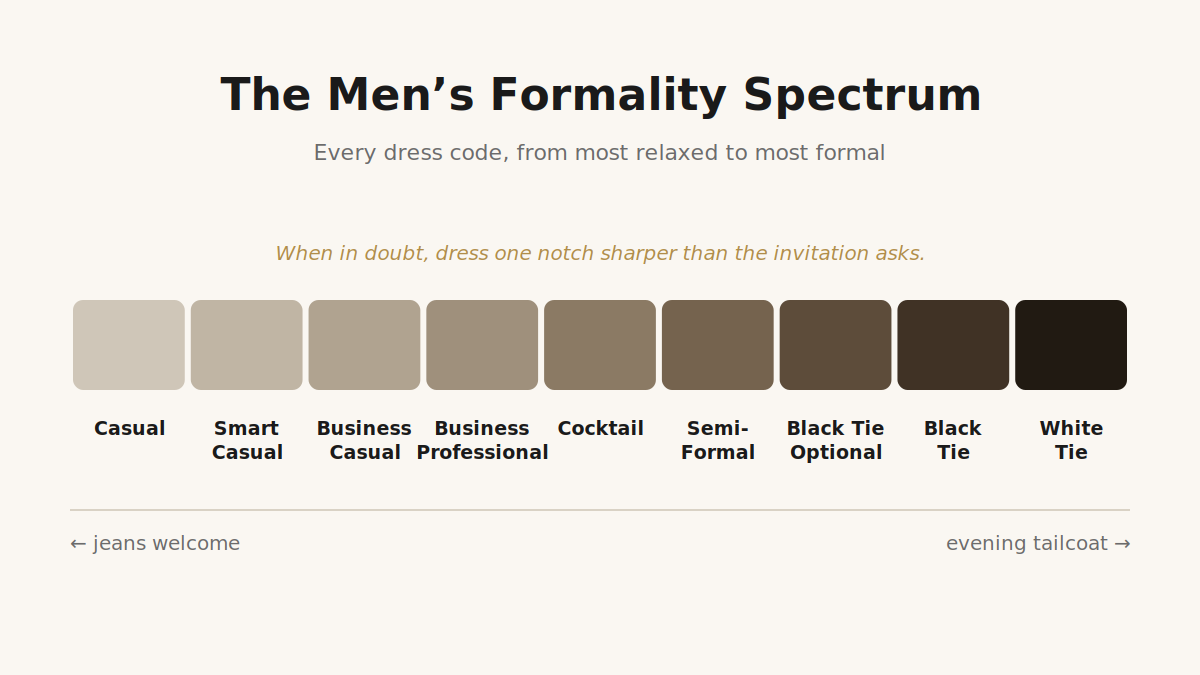
A dress code is shorthand — a single line that tells you how much formality the host expects and, just as importantly, how much effort. Think of the whole system as a spectrum rather than a set of hard walls. On one end you’ve got jeans and a clean tee; on the other, a tailcoat and white gloves. Everything else lives somewhere in between, and most of the confusion comes from the codes that sit right next to each other and borrow each other’s pieces.
The good news is that the spectrum is learnable. Once you can place a code — is it dressier than business casual, a notch below black tie? — the specific garments fall into place quickly. Below is the fast version, then a full breakdown of each code with what it means, the pieces that define it, and the mistakes that trip men up most often.
The Quick-Reference Dress Code Cheat Sheet
Here’s the full formality spectrum at a glance, running from the most casual to the most formal. One line each — bookmark this section and come back to it whenever an invitation leaves you guessing.
- Casual — Whatever you’d wear on a relaxed weekend: clean jeans or chinos, a tee or knit, sneakers. Effort optional but appreciated.
- Smart Casual — Casual with intent. Swap the tee for a collar, the sneakers for something you’d polish, and you’re there.
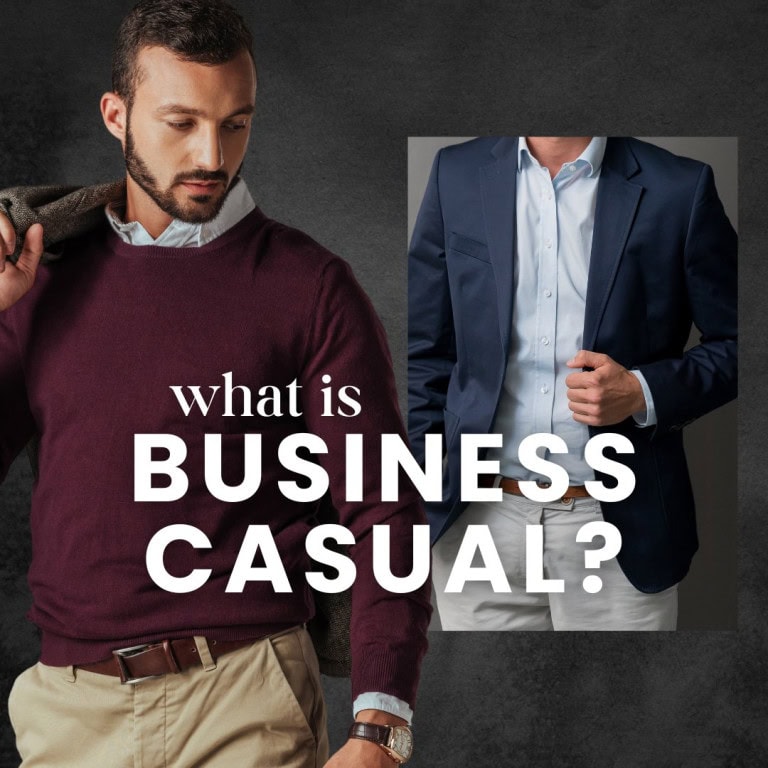
- Business Casual — Office-appropriate without a suit: chinos or trousers, a button-down or fine knit, leather shoes. No tie required.
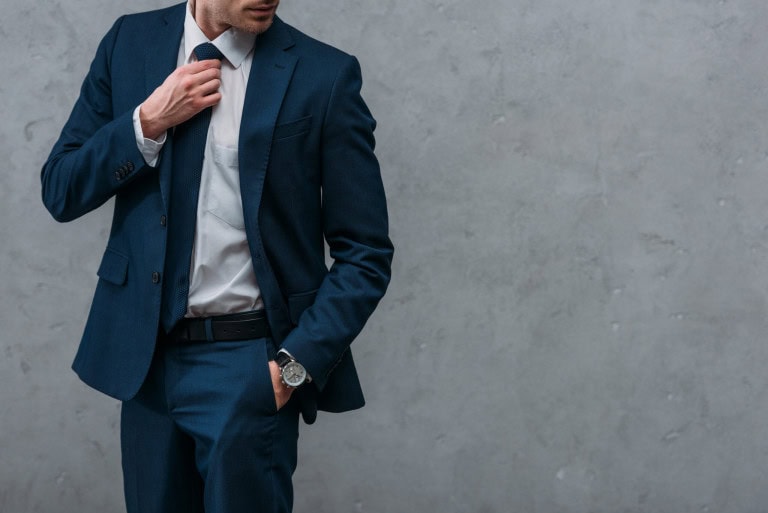
- Business Professional — The traditional suit-and-tie standard. Conservative colors, real dress shoes, nothing loud.
- Cocktail — Evening polish that stops short of a tuxedo: a dark suit, a crisp shirt, sharp shoes, optional tie.
- Semi-Formal — A step up from cocktail, a step below black tie: a dark, well-cut suit, always with a tie.
- Festive — Cocktail with a seasonal wink — usually holiday parties. The suit stays; the color, texture, or accessory gets playful.
- Black Tie Optional — Tux welcome, dark suit acceptable. The host is giving you a choice, so choose deliberately.
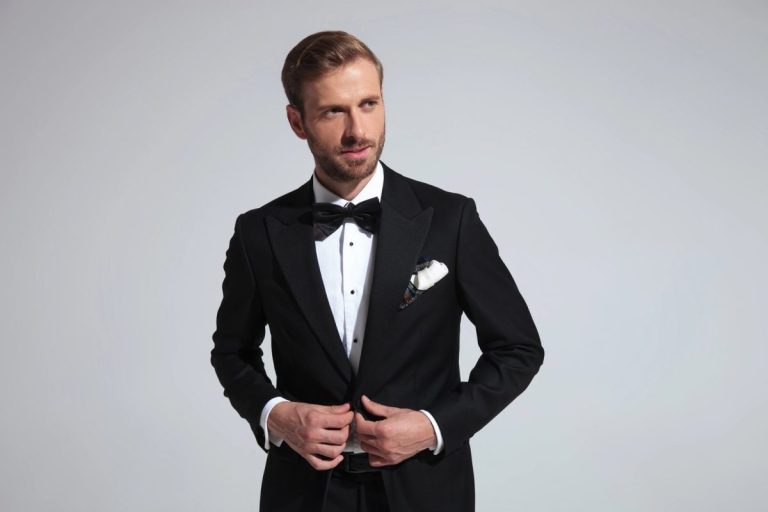
- Black Tie — A tuxedo, full stop: black or midnight-blue dinner jacket, bow tie, formal shoes.
- White Tie — The most formal code there is: a black tailcoat, white waistcoat, white bow tie, the works.
Now, the full breakdown.
Casual
What it means. Casual is the baseline — the code that isn’t really asking for a code. It signals comfort and low stakes: a weekend hang, a casual dinner, a daytime get-together where nobody’s checking your shoes. That said, “casual” and “careless” are not the same word. The version that reads well is casual with a little thought behind it.
Key pieces. Dark, clean denim or a pair of chinos. A well-fitting T-shirt, a henley, or a lightweight knit. Clean sneakers, or leather ones if you want to nudge things up half a notch. Layer with an overshirt or a casual jacket when the weather asks for it.
Common mistakes. The big one is mistaking casual for an excuse to skip fit entirely — a baggy, faded, slept-in look isn’t relaxed so much as unfinished. Watch your sneakers, too; scuffed, dirty shoes undo an otherwise easy outfit. When in doubt, the trick is fit over formality: a plain tee that actually fits your shoulders beats a rumpled button-down every time.
Smart Casual
What it means. Smart casual is casual that’s been given a purpose — the most useful and most misread code on the entire spectrum. It’s the register for a first date, a relaxed office, a dinner that’s nicer than the neighborhood spot but nowhere near a suit. The whole idea is intentionality: every piece looks chosen rather than grabbed.
Key pieces. Trade the tee for a collar — a button-down, a polo, or a fine-gauge knit. Chinos or dark denim on the bottom. Shoes you’d actually polish: loafers, Chelsea boots, clean minimal leather sneakers. A blazer is optional but does a lot of quiet work here. For a deeper walk-through, our guide to smart casual dressing for men breaks the balance down piece by piece, and if you want ready-made combinations, these smart casual outfits for men show the formula in action.
Common mistakes. The classic error is landing too far in either direction — full sweatpants-casual or accidentally business formal. Since smart casual and business casual sit so close together and get swapped constantly, it’s worth reading our side-by-side on smart casual vs. business casual so you know which way to lean for a given room.
Business Casual
What it means. Anyone starting a new office job in the last few decades has run into the fog around business casual — “business” is in the name, but it isn’t fully formal, and it isn’t casual either. It’s the professional middle ground: polished enough for clients and meetings, relaxed enough that you’re not knotting a tie every morning.
Key pieces. Chinos or dress trousers. A button-down shirt, a polo, or a merino sweater. Leather shoes — derbies, loafers, or clean brogues. A blazer or sport coat sharpens the whole thing when you want to look like the most put-together person in the room. Our full business casual guide covers the wardrobe end to end.
Common mistakes. Jeans are the perennial question, and the honest answer is: it depends on the office — dark, clean, well-fitting denim passes in many workplaces and gets you sent home from stricter ones, so read the room before you commit. The other trap is treating business casual as a license for athletic sneakers and untucked, oversized shirts. Aim for tidy, tailored, and quietly professional.
Business Professional
What it means. This is the traditional corporate standard — law firms, finance, interviews, any setting where you want to signal competence before you’ve said a word. Business professional means a suit and tie, cut conservatively, in colors that don’t ask for attention.
Key pieces. A well-tailored suit in navy, charcoal, or gray. A crisp dress shirt, usually white or light blue. A conservative tie. Polished leather oxfords or derbies — and if you’re building this part of your wardrobe from scratch, our guide to dress shoes for men covers the styles that belong here. When you’re deciding on that first or second suit, the rundown on the best suit colors will steer you toward the versatile foundations, and there’s a case to be made for a sharp black suit once your rotation runs deeper.
Common mistakes. Fit is everything at this level — an expensive suit that puddles at the ankles or gaps at the collar reads worse than a modest one tailored properly. Loud patterns, novelty ties, and anything trend-chasing work against the point. Keep the palette conservative and let the tailoring do the talking.
Cocktail
What it means. Cocktail attire is the evening’s answer to “dressy, but don’t overthink it.” Picture relaxed-yet-slightly-formal events where drinks and light hors d’oeuvres circulate — holiday parties, weddings, milestone birthdays. It’s dressier than business professional in spirit but more expressive, and it’s become the modern default for a huge range of evening events.
Key pieces. A dark, well-fitting suit — navy or charcoal are your safest bets. A crisp dress shirt. A tie is optional and increasingly left off, though it adds polish when the event skews traditional. Sharp leather shoes, oxfords or a clean loafer. A pocket square is the easy upgrade here, and knowing how to fold a pocket square turns a plain jacket into a considered one. Our full cocktail attire for men guide is the deep dive.
Common mistakes. Underdressing is the usual misfire — a sport coat and chinos isn’t quite cocktail, no matter how nice the chinos. Context matters, too: summer cocktail calls for lighter cloth and colors, which our men’s summer cocktail attire guide handles, while weddings carry their own etiquette worth reading up on in our wedding guest cocktail attire breakdown, and holiday events get their own treatment in how to dress for holiday parties.
Semi-Formal
What it means. Semi-formal sits a rung above cocktail and a rung below black tie — think of it as cocktail with the effort dialed up and the playfulness dialed down. It’s common for evening weddings, nicer dinners, and events that want you sharp without demanding a tuxedo. The tell versus cocktail: a tie is expected, not optional.
Key pieces. A dark, well-cut suit — charcoal, navy, or black. A crisp white or subtly patterned shirt. A tie, always. Polished dress shoes, ideally oxfords. Keep accessories restrained: a watch, a pocket square, and not much else. Our semi-formal attire for men guide covers the finer distinctions.
Common mistakes. The most common error is treating semi-formal as interchangeable with cocktail and skipping the tie — at a semi-formal event, that reads as underdressed. On the same token, don’t overshoot into tuxedo territory; semi-formal is a suit’s job, not a dinner jacket’s.
Festive
What it means. Festive attire is a relatively new arrival, and it throws men more than any other code. In practice it’s cocktail attire with a seasonal wink — it shows up on holiday-party invitations and it’s asking you to have a little fun within a dressy framework. The formality of cocktail stays put; the color, texture, or accessories get to play.
Key pieces. Start from a cocktail base — a dark suit or a blazer-and-trousers combo — then introduce one festive element. A deep-green or burgundy jacket, a velvet blazer, a richly patterned tie, or a bolder pocket square all do the job. The keyword is one: a single expressive piece against an otherwise sharp outfit. Since festive lives almost entirely in the holiday-party world, our holiday party dressing guide is the natural companion, and a well-folded pocket square is one of the easiest ways to add seasonal color without going overboard.
Common mistakes. Festive is not a costume — the novelty-sweater instinct is exactly the trap to avoid. Layering three festive elements at once (the green jacket and the loud tie and the sparkle pocket square) tips from stylish into cluttered. Pick one point of interest and keep everything around it clean.
Black Tie Optional
What it means. This is the host handing you a choice, and the choice is real: a tuxedo is welcome, but a dark, formal suit is also perfectly acceptable. It usually appears on evening weddings and galas where the hosts want a formal atmosphere without requiring every guest to own or rent a tux. The word “optional” is doing honest work — nobody will blink at either call.
Key pieces. If you go the tux route, follow the black-tie playbook below. If you go the suit route, reach for your darkest, most formal option — a well-tailored charcoal, midnight-blue, or black suit — paired with a white shirt, a dark tie, and polished formal shoes. Either way, the goal is unmistakably formal. For the full decision tree on how to read the room and choose, see our dedicated black tie optional guide.
Common mistakes. The biggest one is treating “optional” as permission to relax — a business suit in a mid-tone gray with brown shoes misses the formality the code is quietly requesting. If you’re choosing the suit over the tux, make it your most formal suit, in your darkest color, worn with black shoes.
Black Tie
What it means. Black tie means a tuxedo, without much room for interpretation. It’s the code for formal weddings, galas, and serious evening occasions, and it’s built on more than a century of settled convention — which is a gift, because it removes almost all the guesswork. Dress the uniform correctly and you’re done.
Key pieces. A black or midnight-blue dinner jacket with satin or grosgrain lapels. Matching formal trousers with a stripe down the leg. A crisp white formal shirt. A black bow tie — a real one you tie yourself, ideally. Black patent or highly polished formal shoes. Finish with the details that separate a rental-looking tux from a sharp one: proper cufflinks and a neatly folded pocket square. Our complete black tie guide walks through every element.
Common mistakes. The classic slip is a long tie instead of a bow tie — it undoes the entire code. Colored or patterned shirts, business shoes standing in for formal ones, and a clip-on bow tie all read as almost-there. Black tie rewards precision, so honor the conventions rather than personalizing them.
White Tie
What it means. White tie is the summit — the most formal dress code that exists, reserved for state dinners, royal events, and the rare ultra-formal ball. Most men will go a lifetime without needing it, but when an invitation calls for it, the requirements are exact and non-negotiable.
Key pieces. A black tailcoat with tails reaching the back of the knee. Black formal trousers with two stripes down the leg. A stiff-fronted white shirt with a wing collar. A white piqué waistcoat. A white bow tie — hence the name. Black patent leather formal shoes. This is the one code where accessories aren’t optional flourishes but part of the uniform: proper cufflinks and studs, and immaculate dress shoes polished to a mirror.
Common mistakes. The most common error is confusing white tie with black tie and showing up in a tuxedo — they are genuinely different codes, and a tux at a white-tie event is underdressed. If you’re facing a white-tie invitation and don’t own the pieces, rent from a formalwear specialist rather than approximating; this is not a code you improvise.
Frequently Asked Questions
What is the difference between cocktail and black tie?
Cocktail and black tie are two clearly separated rungs on the formality ladder, and the difference comes down to the tuxedo. Cocktail attire is built on a dark suit — navy or charcoal, with a tie that’s often optional — and it’s meant to look dressy but relaxed. Black tie requires an actual tuxedo: a black or midnight-blue dinner jacket, a bow tie, and formal shoes, with no suit-based substitutions. In short, cocktail is the sharpest version of a suit, while black tie is a different garment entirely. If an invitation says cocktail, a suit is exactly right; if it says black tie, only a tux will do.
The Takeaway
If you remember one thing, make it this: dress codes are a spectrum, and your only real job is to place the invitation on it — then dress a notch sharper rather than a notch softer when you’re genuinely unsure. Nearly every code above lives within reach of a dark, well-tailored suit and a good pair of leather shoes, so building that foundation first solves most of the puzzle. From here, dive into the individual guides for whichever code you’re facing — the deep dives on cocktail attire, semi-formal, and business casual are the natural next stops — and don’t forget the finishing touch: the right fragrance is the detail that makes a well-dressed man read as genuinely put together, not just correctly dressed.
This post may contain affiliate links, meaning we earn a small commission on purchases made through them, at no extra cost to you.

Born and raised in Austin, David is a dedicated writer and avid fragrance lover. When he's not trying out perfumes, he enjoys traveling and exploring new restaurants.