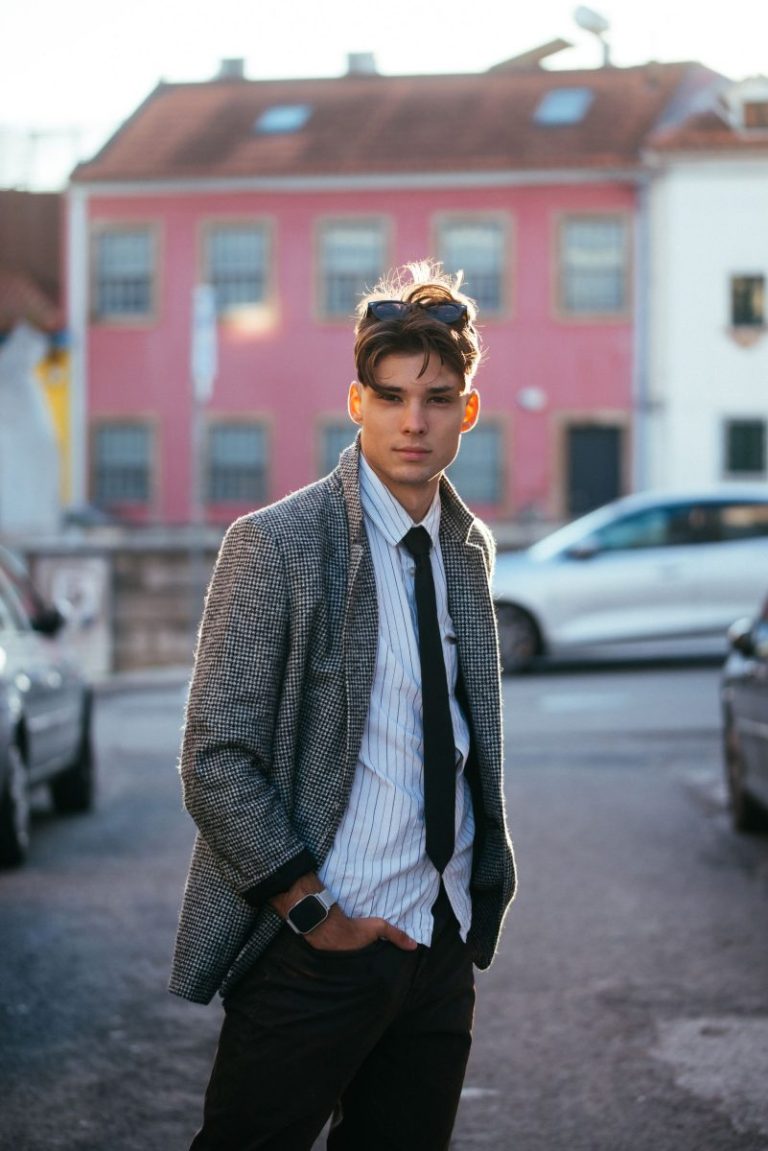
What to Wear to a Funeral: A Respectful Guide for Men

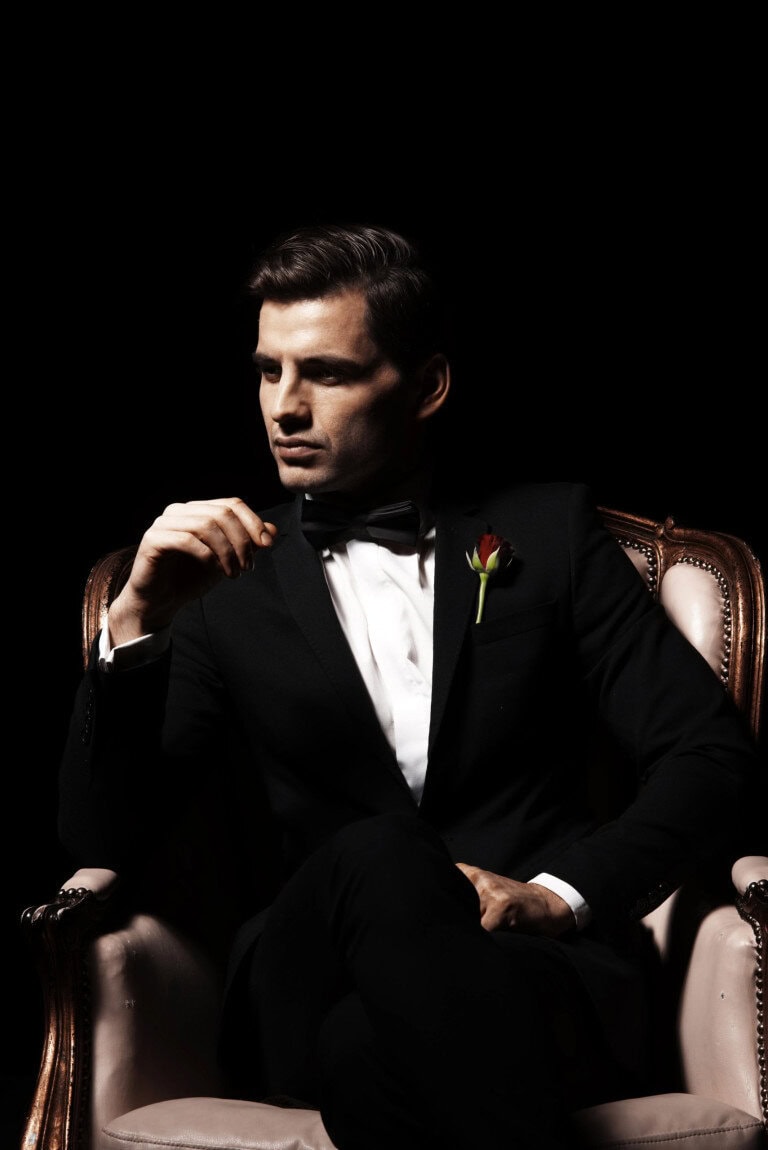
If you have found this page today, there is a good chance the service is soon and you simply need an answer you can trust. Here it is, up front: a dark suit, a white or light dress shirt, a dark conservative tie, and black leather shoes. That combination is correct at nearly every funeral you will ever attend, and the rest of this guide exists to help with the situations that fall outside it.
This post may have affiliate links, meaning we earn a small commission on purchases through the links (at no extra cost to you). This does not change our opinion but does help support the site. Thank you!
Before any of the specifics, it helps to hold onto the one principle that makes every other decision easier. This is the single occasion where the goal is not to be noticed.
The Default Answer
Most funerals ask for the same thing, so start here and adjust only if you have a reason to.
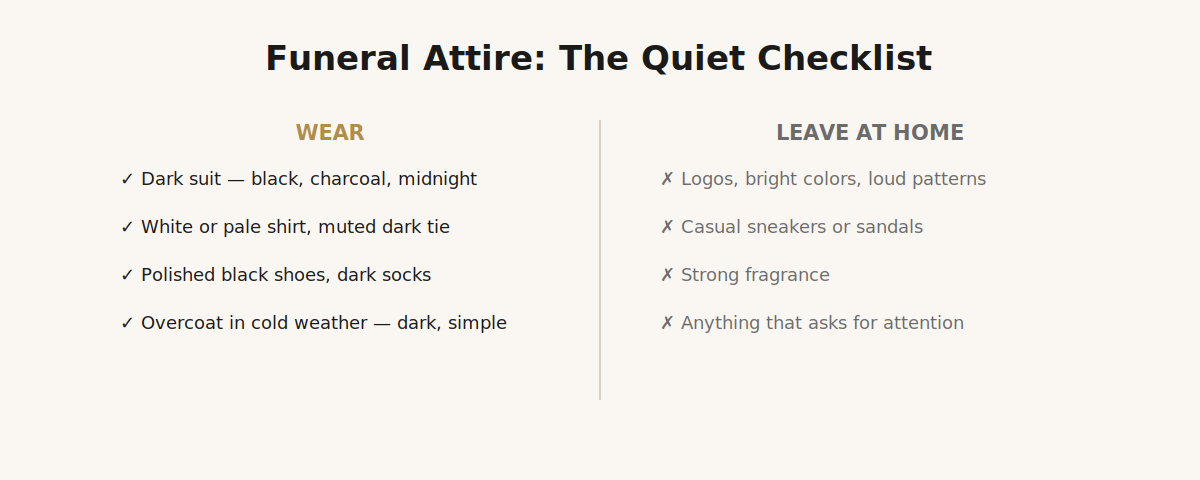
- A dark suit. Charcoal, navy, or black — all three are appropriate, with the darker end of that range being the safest. If your only suit is a mid-grey business one, it will still serve; depth of color simply reads as more respectful. Our guide to the black suit covers when it is the right call, and if you are working with a grey one, how to wear gray suits will help you push it toward the formal end.
- A white or light dress shirt. White is the standard. A very pale blue is acceptable if it is what you have. Avoid patterns and bold colors.
- A dark, conservative tie. Solid black, charcoal, or deep navy. A subtle texture or a muted, small-scale pattern is fine; anything bright, glossy, or novelty is not. If you are unsure how to knot one cleanly, what is a necktie walks through the basics.
- Black leather shoes. Plain, polished, and closed — an Oxford or a clean derby is ideal. Our overview of black dress shoes for men covers the styles that work. Match your belt to your shoes, and keep socks dark.
That is the whole outfit. If you own those pieces, you are ready, and you can stop reading here with confidence. What follows is for everything else.
The Principle: Respect, Not Presence
Most of the advice on this site is about looking like yourself at your best — standing out, in the good sense. A funeral is the deliberate exception. Here, the intent behind your clothing is to honor the person who has died and to support the people grieving them, and the clearest way to do that is to dress so that no one remembers what you wore.
Think of it as quiet respect made visible. Dark, simple, and well-kept signals that you understood the weight of the day and showed up for it. Anything that draws the eye — a bright color, a bold pattern, an unusual cut — pulls a small amount of attention toward you and away from the family, which is the opposite of what the day is for. When a choice is genuinely unclear, err toward the plainer, more conservative option every time. You will never regret being a shade too understated.
That principle is worth keeping in mind because it answers most questions on its own. When you are not sure whether something is appropriate, ask whether it would make anyone look twice. If the answer is yes, set it aside.
If You Don’t Own a Suit
Not everyone owns a suit, and there is nothing to apologize for if you don’t. A funeral is not the moment to buy one under pressure, and no grieving family is taking attendance on tailoring. You can assemble something respectful from more common pieces.
The reliable route is a dark blazer or sport coat over dark trousers. Navy or charcoal chinos in a clean, pressed state work well with a navy or grey blazer; the pairing does not need to match perfectly, only to read as dark and deliberate. Add the same white shirt, dark tie, and black leather shoes from the default outfit, and you will look entirely appropriate.
If you do not own a blazer either, a plain dark button-down shirt with dark, well-pressed trousers and dark leather shoes is still a respectful showing — quiet and neat is the standard, not the specific garments. The general consensus is that showing up cleanly and simply dressed matters far more than owning formalwear. Whatever you wear, make sure it is clean, pressed, and free of visible wear. Presentation carries most of the weight here.
By Type of Service
The default outfit covers the traditional service. The variations below are gentle adjustments, not different rules.
Traditional or Religious Service
This is the setting the default answer was written for. A dark suit, white shirt, dark tie, and black shoes is exactly right in a church, funeral home, synagogue, mosque, or temple. Some faiths have specific expectations — a head covering, removing shoes, covered arms — so if the service belongs to a tradition you are not familiar with, the section below on cultural and religious variations is worth a look.
Celebration of Life
A celebration of life is often intentionally less formal, sometimes explicitly so on the invitation. The tone shifts toward remembrance rather than mourning, and the family may ask guests to wear color, or a particular color the person loved. Follow their lead when they give it. Absent any instruction, dress one step down from the default: keep the dark blazer and trousers, and you can relax the tie or choose a slightly softer color. When you have no guidance at all, the standard dark outfit remains a safe and respectful choice.
Graveside or Committal
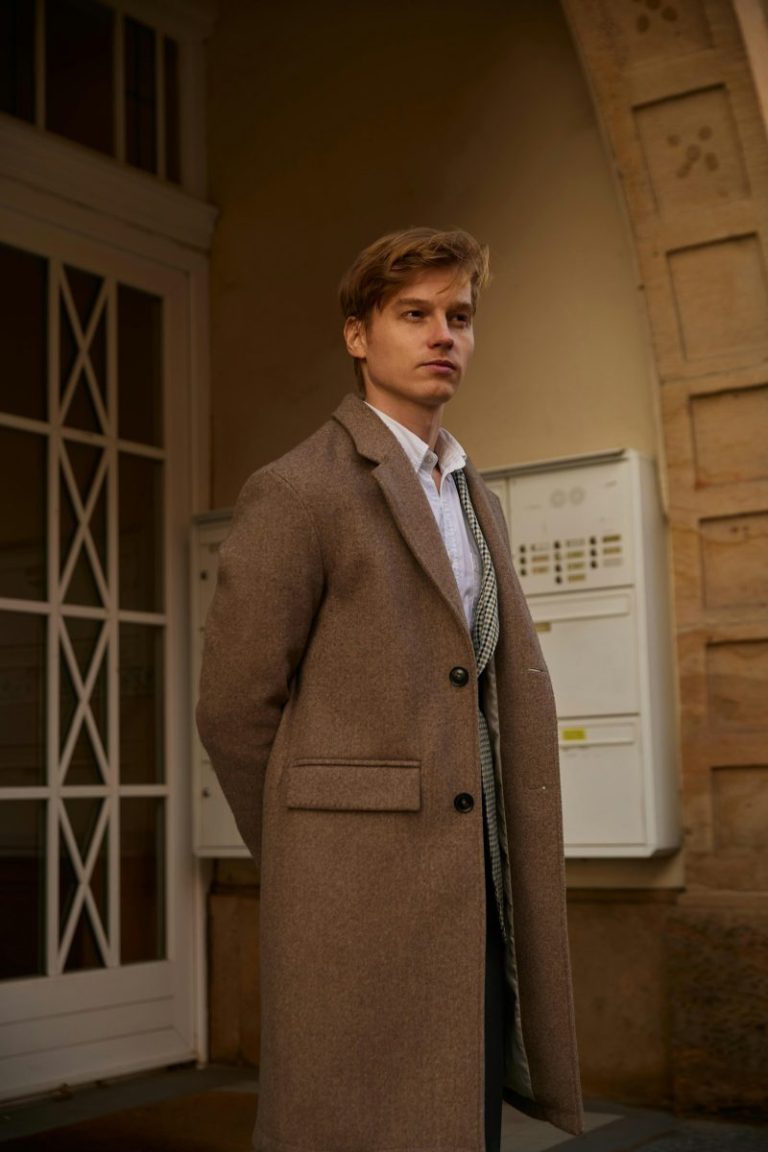
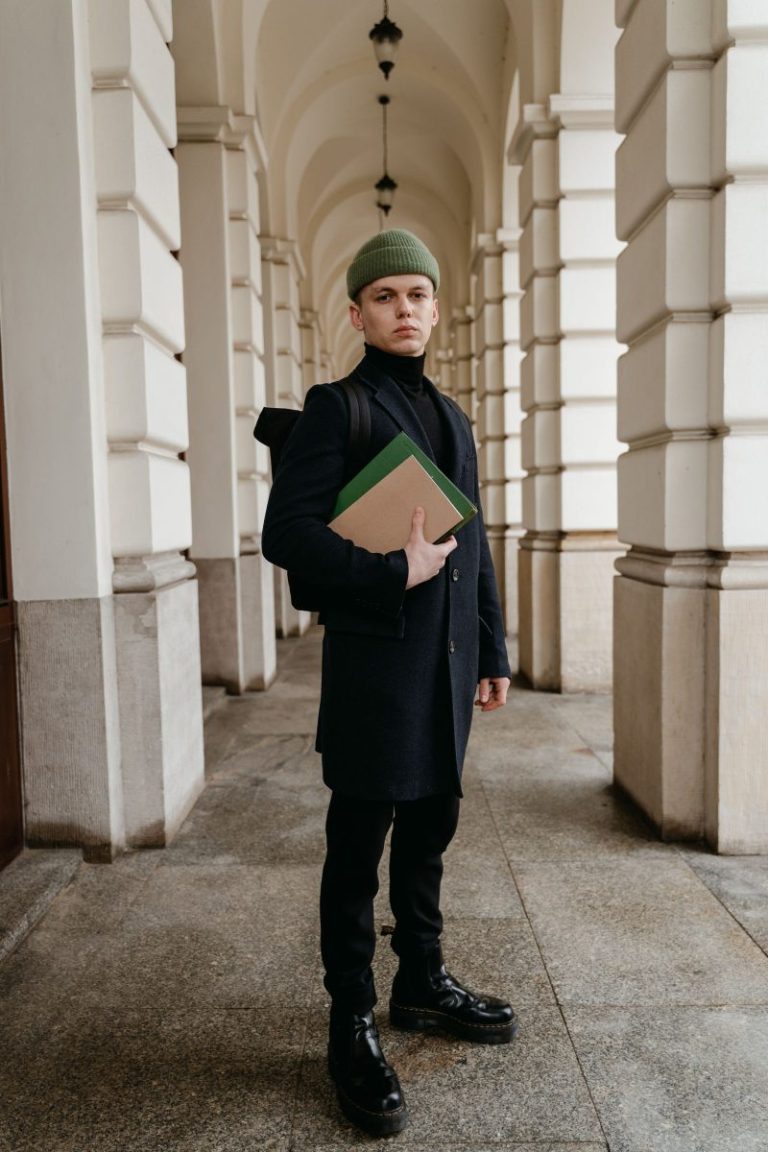
A graveside service is short, outdoors, and standing. The dress expectation matches the traditional service — dark and respectful — but the setting asks for a little practicality. Choose shoes you can stand and walk in on grass or uneven ground, and plan for the weather, since there is rarely shelter. An overcoat in a dark, plain color is entirely appropriate and often necessary.
Memorial Service
A memorial is held sometime after the burial or cremation, occasionally weeks later, and it tends to sit between a traditional service and a celebration of life in formality. The default dark outfit is always safe. If the gathering is clearly relaxed — held at a home or a favorite spot rather than a place of worship — you can dress as you would for the celebration of life above.
Cultural and Religious Variations
Funeral customs vary widely across cultures and faiths, and the safest guidance is also the simplest: when in doubt, ask a member of the family or someone close to them. No one will think less of you for asking quietly beforehand, and most people are glad to be asked. What follows is a brief orientation, not a complete account, and any single family may observe things differently.
- Jewish services generally call for the same dark, modest attire. Men are usually expected to wear a head covering (a kippah), which is typically provided at the service.
- Catholic and most Christian services align closely with the default outfit; conservative and dark is the expectation.
- Muslim services ask for modest dress; you may be asked to remove your shoes, and covered arms and legs are expected. A dark suit or dark trousers with a plain shirt is appropriate.
- Hindu and some other traditions may favor white rather than black as the color of mourning. This is exactly the kind of detail worth confirming with the family, because getting the color right is a meaningful gesture.
Because customs differ even within a single faith, treat the above as a starting point and let the family’s wishes override anything here.
What to Avoid
A short list of things to leave at home does most of the work:
- Bright or bold colors, loud patterns, and anything with prominent logos or graphics.
- Casual footwear — sneakers, sandals, and worn or scuffed shoes.
- Jeans, shorts, and t-shirts, unless the family has explicitly said the gathering is casual.
- Anything flashy — a bold pocket square, statement jewelry, or a tie that pulls focus.
- Strong fragrance. Services are often held in small, warm rooms, and a heavy scent carries further than you think.
- Wrinkled or ill-kept clothing. A plain outfit that is clean and pressed always beats a nicer one that looks slept in.
Weather Adjustments
Much of a funeral, especially a graveside portion, happens outdoors and on someone else’s schedule, so dress for the conditions without abandoning the tone.
In cold weather, a dark, plain overcoat over your suit is both correct and welcome; keep gloves, scarf, and hat dark and simple. In heat, you can leave the suit jacket for a dark blazer in a lighter-weight cloth, or, at a clearly informal service, a dark long-sleeve shirt with dark trousers. The color discipline stays the same even when the weight of the fabric changes. If rain is likely, a plain dark umbrella and shoes that can handle wet ground will keep you comfortable and unobtrusive.
Do You Have to Wear Black to a Funeral?
No — and this is the question that causes the most quiet worry, so it is worth answering plainly. The expectation is dark, not specifically black. Charcoal and navy are entirely appropriate and, at many services, more common than true black. What matters is that the overall look is dark, subdued, and respectful.
The one time to prioritize actual black is when the family has requested it, or when you know the tradition calls for it. And the reverse holds too: some services, particularly celebrations of life and certain cultural traditions, ask guests not to wear black. In every case, a specific request from the family outranks the general rule. Absent one, dark and understated is all you need.
The Takeaway
If you remember one thing, let it be the principle: dress so that no one notices what you wore. A dark suit, a white shirt, a dark tie, and black shoes will carry you respectfully through nearly any service, and a dark blazer with dark trousers will do the same if a suit is not within reach. When the details are unclear, choose the plainer option and, if it matters, ask the family.
For the fuller map of dressing well for the moments that matter, see our occasion outfit directory, and if your service leans less formal, our guide to semi-formal attire for men is a helpful companion.

Born and raised in Austin, David is a dedicated writer and avid fragrance lover. When he's not trying out perfumes, he enjoys traveling and exploring new restaurants.